Blog
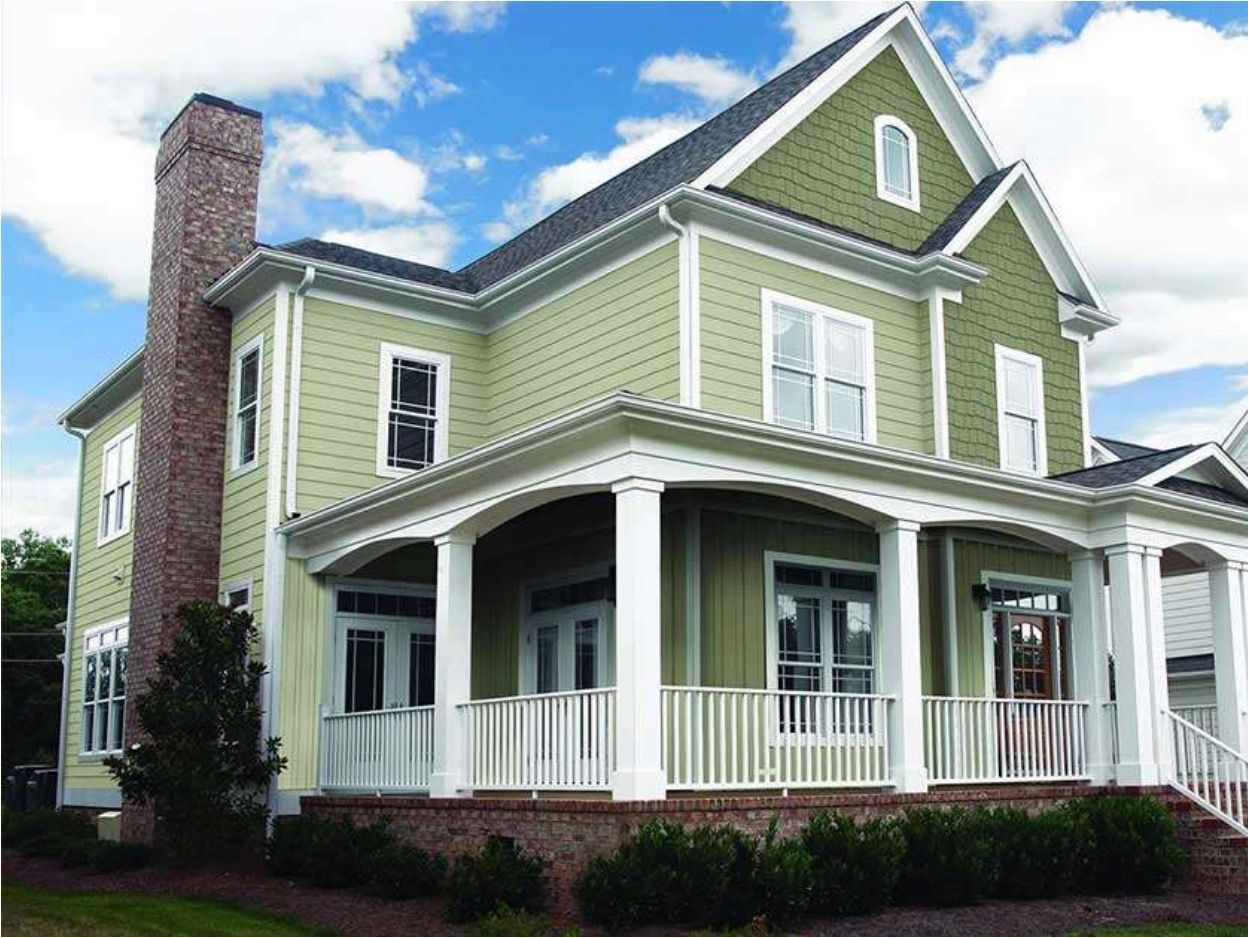
The right siding can do more than improve your home's aesthetic appeal. It can also contribute to your property's longevity and safety. Considering the increasing threat of wildfires in California, investing in James Hardie® fire-resistant siding is one of the best decisions you can make. Read on to learn more about this siding option. What Is James Hardie® Siding? James Hardie siding is made from fiber cement, a combination of wood fiber, sand, and cement. This mixture results in a highly durable material that resists rot and warping. Unlike conventional wood and vinyl siding, this material won't combust when exposed to direct flame or add fuel to a fire. It's why James Hardie siding is ideal for areas susceptible to wildfires. With James Hardie siding, you can have confidence that your home has an added layer of defense against fire-related incidents. What Are the Advantages of This Fire-Resistant Siding? Choosing James Hardie siding comes with various advantages. Its fire-resistant properties can provide peace of mind, knowing your home has an added layer of protection from disasters. This siding option is also known for its durability and long lifespan, minimizing the need for frequent replacements or repairs. It will remain stable even when exposed to heavy rains, sleet, and snow. The non-combustible nature of James Hardie siding not only safeguards your home but also can contribute to lower insurance premiums in areas prone to wildfires. You can get James Hardie in various styles and colors, allowing you to customize your home's exterior without compromising safety. Regardless of the style of your home, you'll find an option that can elevate its look. It features ColorPlus® Technology, a factory - applied, baked-on color that resists chipping, peeling, and cracking. This ensures that your home maintains its aesthetic appeal for years, reducing the need for frequent touch-ups and repaints. Another great thing about James Hardie® siding is it's easy to maintain. All it requires is regular cleaning to last long and remain beautiful. Also, fiber cement siding isn't appealing to pests like termites, woodpeckers, carpenter ants, and squirrels. This low-maintenance quality means you can enjoy a beautiful, worry-free home exterior with minimal e ff ort. Additionally, the robust nature of fiber cement makes it an eco-friendly choice, as it reduces the demand for frequent replacements and lessens the environmental impact. In summary, James Hardie siding o ff ers a comprehensive solution for homeowners seeking a blend of safety, durability, and aesthetic appeal. Its fire-resistant properties provide crucial protection, while the variety of styles and colors ensures your home stands out beautifully. Easy maintenance and resistance to pests further enhance its appeal, making it a smart investment for any homeowner. Enhance your home's appeal, comfort and protection with James Hardie siding installed by Peninsula Siding Company, Inc. You can rely on us for exceptional craftsmanship and customer service. Call us at (650) 287-4208 or complete our online form to get a free quote.
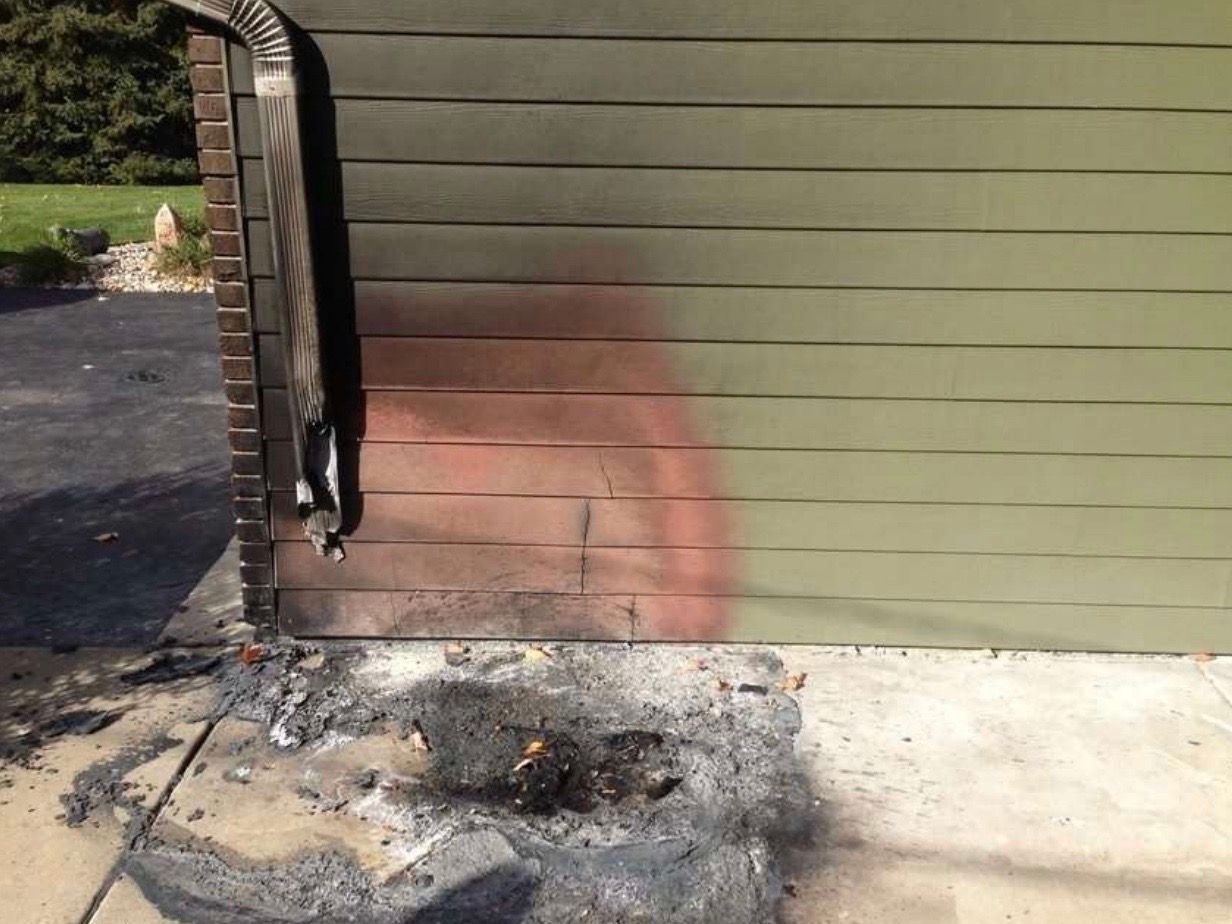
Fire is a serious risk that can turn deadly in moments, whether due to a kitchen accident or electrical fault. Even if you take all possible precautions inside your home, wildfires pose an ever-growing threat, especially with climate change extending wildfire seasons. Recent studies show that wildfire behavior has become more extreme, with fires spreading over greater distances and impacting areas that were previously considered safe. The Dangers of Combustible Siding Traditional siding materials such as wood and vinyl are highly susceptible to fire. Wood siding can act as fuel, while vinyl siding can melt, releasing toxic gases and exposing other materials to flames. These materials offer low to medium fire resistance, making them less ideal for areas prone to wildfires or homes that require robust fire protection. Fire-Resistant Siding Options In contrast, fiber cement siding, metal siding, brick, stone, and stucco offer high fire resistance. Among these, fiber cement siding, particularly James Hardie® products, stands out due to its affordability and variety of designs. James Hardie® siding is non-combustible, meaning it won't ignite or contribute to the spread of a fire. This material can help shield your home from flames, making it a safer choice for re-siding projects. Real-Life Testimony: Fire Protection in Action When Darren and Simone purchased their home five years ago, the non-combustible Hardie® siding was a significant selling point. Little did they know it would save their lives. In early spring 2021, Simone woke to the sight of a massive fire from a studio next door, with flames just feet from their window. They evacuated, and while the studio was destroyed, their home remained intact. Simone credited their Hardie® Plank Lap Siding: "The only reason why we are alive today and that our own home wasn't engulfed was thanks to their product." Building a Wildfire-Resilient Home Using non-combustible materials like James Hardie® siding can significantly enhance your home's defense against fires. Homes with Hardie® siding have remained intact during wildfires that destroyed neighboring properties. This is because Hardie® siding does not ignite when exposed to flames, providing superior protection. The Insurance Institute for Business and Home Safety (IBHS) also recommends using non-combustible materials for soƯits and enclosing open roof eaves to further reduce fire risk. Durability Beyond Fire Resistance James Hardie® products are engineered to withstand various weather conditions, including moisture and rot from rain or snow, and they are also resistant to pests like termites. Additionally, the products come with ColorPlus® Technology finishes, which provide a durable, fade-resistant color that withstands UV rays and prevents chipping, peeling, and cracking.
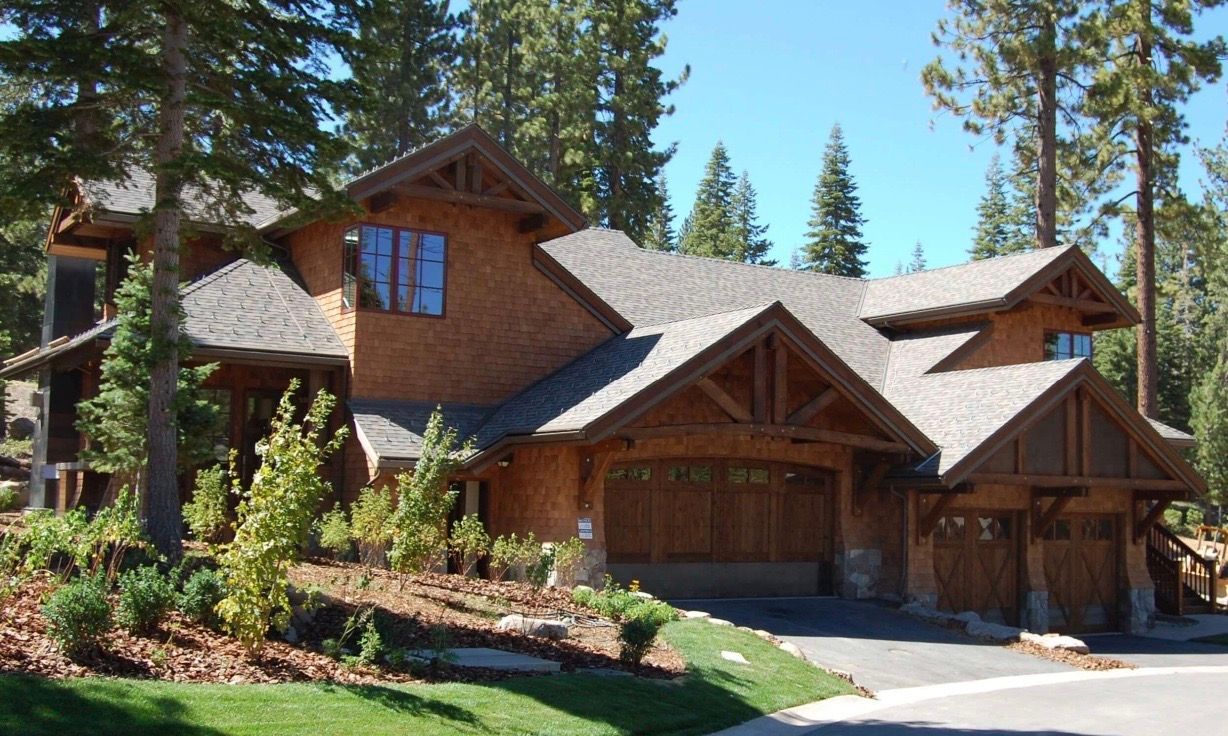
When it comes to siding that combines beauty, durability, and ease of installation, Cedar Valley shingles stand out as an exceptional choice. With a legacy spanning over 30 years, Cedar Valley has consistently delivered top-notch shingle panels that offer unmatched protection and aesthetic appeal. Here's why Cedar Valley shingles are the ultimate siding solution for your home. Integrated Fiberglass Barrier: The Third Layer of Protection Cedar Valley shingle panels come with a built-in breathable fiberglass shield, providing an additional layer of long-lasting protection against decay. This innovative "3rd Layer of Protection" has been a cornerstone of Cedar Valley's design for decades, ensuring that your home remains safeguarded against the elements. No other panel manufacturer offers this unique feature, making Cedar Valley a leader in the industry. Enhanced Strength and Flexibility with Boston Weave Construction The "Boston Weave" construction of Cedar Valley's panel accessories, including corners, radius flares, and column wraps, adds strength and contributes to a premium finish. This construction technique provides ultimate design flexibility while enhancing the speed and ease of installation, allowing you to achieve a beautiful and resilient exterior for your home. Unmatched Durability: Built to Last Properly installed, Cedar Valley shingle panels and accessories oƯer low maintenance and long-lasting protection for generations. With warranties of up to 50 years and certification in ASTM testing to withstand winds up to 192 mph, these panels are designed to endure harsh weather conditions. Additionally, Cedar Valley panels have passed the California State Fire Marshal Wildland Urban Interface (WUI) fire testing, giving you added peace of mind with a fire-resistant exterior siding. Superior Materials: Western Red Cedar Cedar Valley's commitment to quality starts with the wood. Only 100% on grade Western Red Cedar is used in the construction of their panels. Known for its beauty, durability, and natural resistance to pests and decay, Western Red Cedar is one of nature's best insulators. This high-quality material, combined with Cedar Valley's meticulous craftsmanship, ensures a natural surface that holds stains and paint more effectively, providing a superior finish that lasts longer. Efficient Installation with Single Course Panels Cedar Valley's handcrafted eight-foot panels are available in a wide variety of shingle styles, making installation quick and easy. These panels can be installed up to six times faster than individual shingles, significantly reducing labor costs. The one-piece plywood backer is easy to handle, and the smooth back surface makes marking and sawing quick and accurate. Overlapping End-Joints: Seamless Protection The patented design of Cedar Valley's panels eliminates seams and helps prevent moisture penetration without the need for caulking between full panels. This seamless design ensures that your home remains protected from the elements while maintaining a clean and cohesive look. Cedar Valley shingles offer a perfect blend of beauty, durability, and ease of installation. With their integrated fiberglass barrier, enhanced construction techniques, and use of premium Western Red Cedar, Cedar Valley panels provide superior protection and aesthetic appeal for your home. Whether you're renovating or building new, choosing Cedar Valley shingles means investing in a siding system that will stand the test of time. Experience the unmatched quality and craftsmanship of Cedar Valley shingles and give your home the protection it deserves. We proudly install this amazing product on homes all over the Peninsula. Please give us a call today to schedule a free estimate 650-287-4208
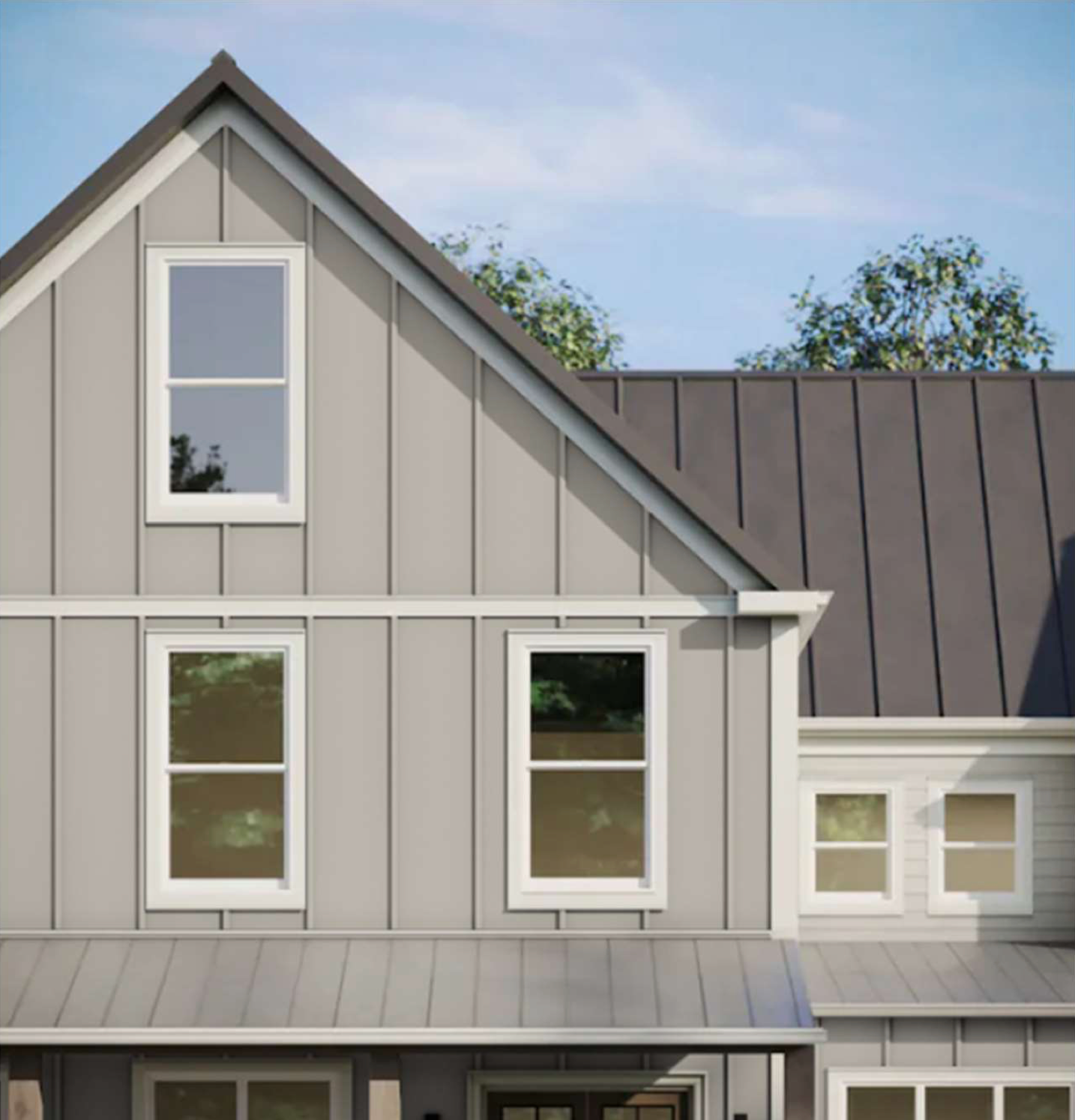
When embarking on a home exterior makeover, choosing the right siding and trim color is paramount. This decision can significantly impact your home's aesthetic and resale value. Here are expert tips on making the best siding and trim color choices for your residence. Consider the Architectural Style of Your Home The architectural style of your home plays a crucial role in selecting the appropriate siding and trim colors. Traditional homes often benefit from classic color combinations, such as neutral siding with white trim, providing a timeless look. Meanwhile, modern homes can carry bold and contrasting colors that emphasize architectural elements. Analyze the Color Palette of Your Neighborhood and your County's Regulations. Siding installation experts recommend observing the color schemes within your neighborhood. While it's important for your home to stand out, it should also complement the overall vibe of the community. In the Peninsula, where the landscape can vary from sea views to wooded areas, consider colors that maintain aesthetic harmony with your immediate environment. Using a color that blends well with neighboring homes while incorporating unique accents can distinguish your property without clashing with the prevalent colors. There are often times when the county or city may have guidelines on what colors can and cannot be painted or installed on homes. It is important to look into these guidelines, as well as have backup options for when your first choice may not be approved. The recent rise of white homes with black trim have started to raise flags in the planning departments of cities as some cities do not want every home on the block being the same color scheme. Factor in the Climate Climate can influence your siding and trim color choices more than you think. Darker colors tend to absorb more heat, but properly insulated homes can help discourage the absorption into the home. Conversely, lighter colors can help reflect the sun's rays, keeping your home cooler. In the relatively mild climate of San Carlos, you have the flexibility to choose from a wide range of colors. However, considering the thermal effects of your color choice will ensure comfort and efficiency year-round. Use Color to Highlight Features or Hide Flaws Color has the power to draw attention to or away from certain elements of your home. Choosing a contrasting color for your trim can highlight beautiful windows or intricate details, while a cohesive color scheme can effectively mask less appealing aspects that you've yet to tackle on the remodel to do list, such as oversized gutters or unsightly air conditioning units. Consider the Impact of Lighting The natural and artificial lighting can dramatically affect how colors appear on your home's exterior. Colors may look vastly different under the bright California sun compared to how they appear under shaded areas or street lighting. It's advisable to test color samples on various sides of your home at different times of the day. This method will provide a better understanding of how lighting influences your chosen colors, ensuring satisfaction with the final look. Once you start to narrow down your color selections, we can provide samples to borrow for you to set around your home to see how they react to the sun, shade, and exterior night time lighting. Think Long-Term Trends in exterior colors can change, but siding and trim are elements you'll live with for many years. It's wise to select colors that you're confident will stand the test of time. Neutrals are generally safe, enduring choices, while bold, trendy colors might appeal to you now but could fall out of favor or not reflect your taste in the future. Aim for a balance between current trends and timeless appeal to ensure your home continues to look stylish for years to come. At Peninsula Siding Company, Inc., we are committed to helping you navigate these choices, ensuring that the outcome enhances your home's beauty and value. We specialize in J ames Hardie fiber cement siding , so you can count on us for high-quality products and service. Call us today at (650) 287-4208 or visit our contact page to schedule a consultation.
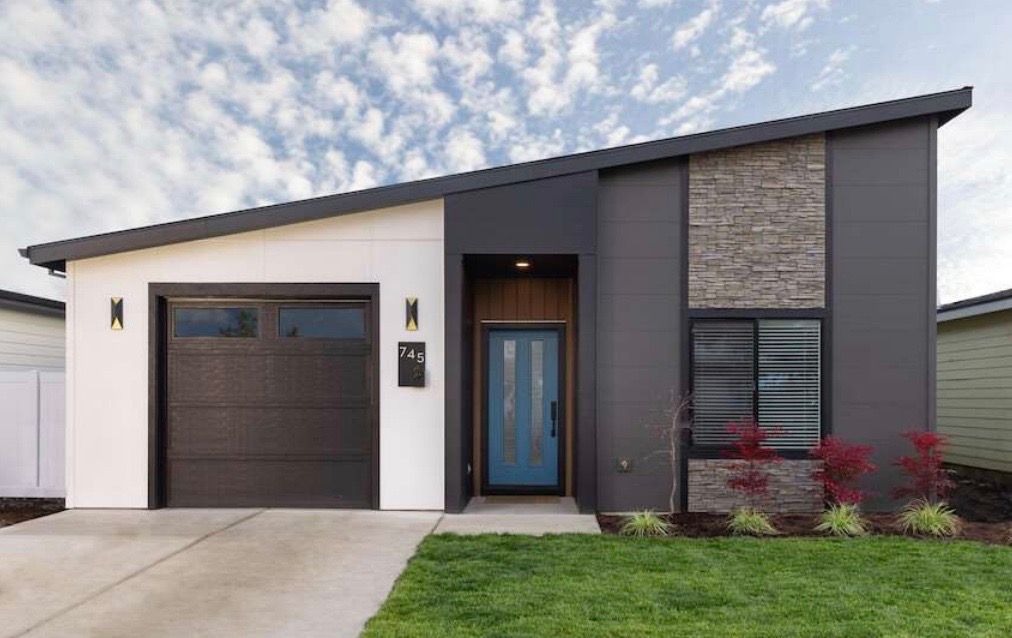
In the heart of Bay Area, where the blend of traditional homes and modern construction creates a distinctive suburban charm, homeowners are increasingly looking towards siding replacement as a means to update their home's aesthetic and value. A modern exterior not only enhances curb appeal but also contributes significantly to a property's resilience against the elements. Here, we delve into the effective ways to achieve that contemporary look for your home through siding replacement, utilizing insights from Peninsula Siding Company, a local leader in exterior replacements. Embrace the Timeless Style of Engineered Wood Siding Engineere d wood siding oƯers the perfect balance between traditional beauty and modern technology. It combines the timeless appeal of wood with the durability and low maintenance of engineered products. This type of siding is an ideal choice for those aiming to achieve a modern but warm exterior. By selecting high-quality, engineered wood siding, homeowners in the Peninsula can enjoy a fresh and updated look without compromising on the natural charm that wood provides. The technology behind these products ensures resistance against moisture, decay, and pests, making them a smart investment for the future. Embrace the Strength of Fiber Cement Siding Fiber cement siding brings together the best of both worlds: the classic aesthetics of natural materials with the advanced durability of modern engineering. This versatile siding option replicates the look of wood, stucco, or masonry, o ff ering a wide range of design possibilities. Homeowners in the Peninsula can enjoy a sleek and sophisticated exterior that withstands the elements. With its resistance to fire, termites, and rot, fiber cement siding is an excellent long-term investment that ensures low maintenance and lasting beauty. Its exceptional durability makes it a reliable choice for those seeking a stylish and resilient home exterior. Choose Bold and Contemporary Colors The color of your siding plays a pivotal role in def ining the overall aesthetic of your home. To convey a modern vibe, opt for bold and contemporary shades. Dark hues like charcoal, deep blues, and rich greens are particularly on-trend, oƯering a striking contrast to the lush Peninsula landscapes. For those preferring a minimalist approach, crisp whites and soft grays provide a sleek and clean appearance. Peninsula Siding Company oƯers a vast palette of colors, allowing homeowners to find the perfect match for achieving their desired modern exterior. Remember, the right color selection can transform an outdated facade into a standout property. Incorporate Mixed Materials for Texture and Depth Modern architecture often involves the interplay of di ff erent materials to create texture and depth. Combining siding materials can give your home a dynamic and updated look. Consider pairing engineered wood siding or fiber cement siding with elements like stone veneer, metal, or glass. This combination not only elevates the aesthetic appeal but also adds to the architectural interest of your property. In an area where architectural styles are diverse, this approach allows for a unique and personalized exterior. Focus on Sustainability and Energy Efficiency Modern exteriors are not just about appearances; they also embody sustainability and energy e ff iciency. Innovative siding materials are designed to provide better insulation, reduce energy consumption, and support a healthier environment. Choosing insulated siding options can significantly enhance your home's thermal e ff iciency, leading to lower utility bills and a more comfortable living environment. When planning your siding replacement, consider products that are eco-friendly and contribute to the sustainability of your home. We can oƯer insights into the most effective materials and practices for achieving an environmentally conscious exterior. In conclusion, achieving a modern exterior with siding replacement requires a careful blend of aesthetic choices and material considerations. Homeowners in the Bay Area, have the unique opportunity to transform their property into a contemporary masterpiece by embracing engineered wood siding or fiber cement siding, selecting bold colors, incorporating mixed materials, and focusing on sustainability. Peninsula Siding Company stands ready to guide you through this process, ensuring your home not only meets but exceeds modern design expectations with James Hardie or LP Smartside siding products. With these strategies, your home will not just aim for modernity but will embody it, setting a standard in your neighborhood for style and sustainability. Call us at 650-287- 4208 or submit our contact form to book an appointment.
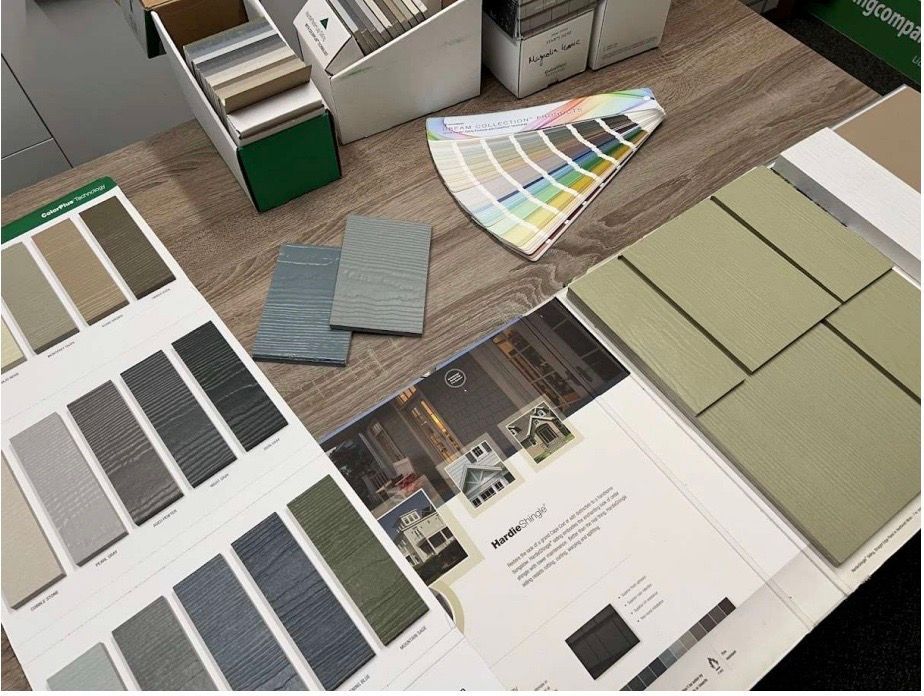
Choosing the right siding color for your home in the Peninsula where the architectural styles and natural landscapes create a unique backdrop, is crucial. It not only aƯects your home's aesthetic appeal but also its resale value. Before you make a decision, consider these essential questions to ensure that your siding elevates your home's appearance and complements its surroundings. 1. Does It Match The Roof? Your siding and roof should work in harmony, not in contrast. Since roofs typically have a longer lifespan than siding, choose a siding color that complements your roof's hue. If your roof is a neutral color, you have more flexibility with your siding color choices. However, with a more vividly colored roof, you'll need to select a siding color that coordinates well to create a cohesive look. 2. What Is The Architectural Style Of Your Home? In San Carlos and the greater Peninsula area, homes encompass a variety of architectural styles, from Victorian to modern minimalist. The architectural style of your home can significantly influence your siding color choice. Traditional homes often look best with classic colors, such as white, beige, or light gray. Modern homes, on the other hand, might stand out with bolder, darker colors like charcoal or navy. 3. How Will Landscaping Affect The Color? The natural surroundings of your home play a pivotal role in how your siding color looks. Consider the dominant colors of your landscaping throughout the year. A siding color that complements or contrasts beautifully with the greens and blooms of your garden can significantly enhance your home's curb appeal. Also, be mindful of how the changing light throughout the day a ff ects how the color appears. 4. Does The Color Suit The Climate? I n the Peninsula area, with its Mediterranean climate characterized by mild, wet winters and dry summers, certain colors may fade less over time. Lighter colors tend to reflect sunlight and retain less heat, which might be beneficial during the warmer months. However, they might show dirt and debris more easily than darker colors. Choosing a siding color that suits the climate while considering maintenance and energy e ff iciency is a smart strategy. 5. Will It Enhance Curb Appeal? Think about the impression you want your home to make. A well-chosen siding color can significantly enhance your home's curb appeal, making it stand out in the neighborhood. Consider taking a drive around San Carlos to see what color schemes are popular and how they fit into the area's overall aesthetic. This can also provide a glimpse into what might increase the resale value of your home. 6. How Does It Look At Different Times Of Day? Lighting plays a crucial role in how colors are perceived. A color that looks appealing in the bright afternoon sun may not look as welcoming at sunset. Before making a final decision, view your color samples at various times of the day and under di ff erent weather conditions to ensure it's the right choice for your home. 7. Does Your City Or County Have Color Restrictions? There are certain cities and counties that restrict color choices, even if you aren't in an HOA area. Certain coast side homes have restrictions on their colors for various reasons, some are for aesthetic purposes to make beach lined homes look harmonious, while other reasons are if too many homes in the area/block are being changed to the same color. Prior to hiring your siding company, it is smart to do research with your city or county about this potential issue. Choosing a siding color is a significant decision that a ff ects the overall appearance and value of your home. By asking yourself these questions, you can select a color that not only reflects your personal style but also enhances your home's architectural style and fits into the beautiful Peninsula landscape. Remember, the goal is to choose a color that you'll be happy with for years to come, considering both aesthetics and practicality. Selecting the right siding color for your home involves careful consideration of various factors, including the relationship between the siding and the roof, the architectural style of your home, the impact of the landscaping and climate, and the overall curb appeal. By taking the time to think about these aspects and consulting with a professional if needed, you can make a choice that enhances your home's beauty and value. Call us at 650-287- 4208 or submit our contact form to book an appointment.
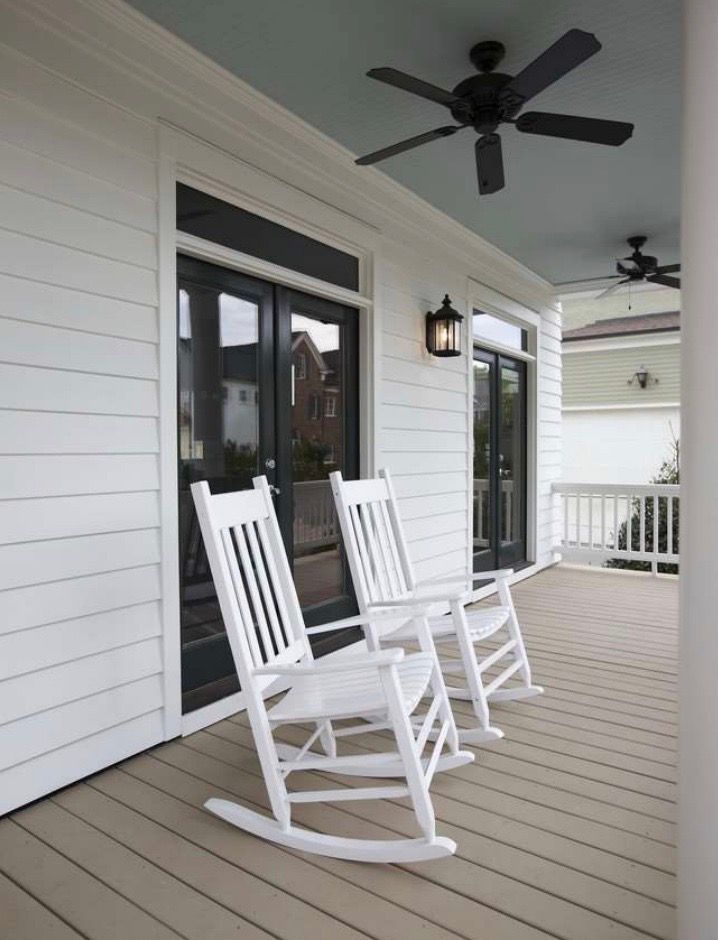
Starting a siding replacement project can be an exciting yet daunting task. The exterior of your home is about to get a significant facelift, and while the anticipation of a fresh new look is exhilarating, there are pitfalls you'll want to steer clear of to ensure the success of your project. Here, we'll delve into some of the key mistakes to avoid during the planning stage of your siding replacement to guarantee a smooth, satisfactory outcome. Overlooking the Importance of Material Selection When it comes to siding materials, not all are created equal. The climate in the Peninsula area, marked by its mild, moist winters and dry summers, demands careful consideration of the material you choose for your siding replacement. Failure to select a material that can withstand the local weather conditions can lead to premature deterioration, costing you more in the long run. Researching and selecting durable materials suited to the Peninsula's climate will ensure your new siding stands the test of time. Ignoring Local Building Codes and Permits Many cities in San Mateo County have specific building codes and requirements when it comes to exterior renovations. Skipping the step of obtaining the necessary permits or not complying with local regulations can result in costly fines and even require you to redo the work. It's crucial to familiarize yourself with your towns building codes and ensure that your siding replacement project meets all legal requirements before commencement. We here at Peninsula Siding Company does not do any of our work without acquiring a permit, which we get for your project. There are times when the city or county has a particular restriction that other cities may not have, such as siding color regulations or window specifications, and we will address that issue with you if it arises. Neglecting Energy Efficiency In today's world, energy e ff iciency isn't just a buzzword; it's a critical consideration for homeowners. When planning your siding replacement, overlooking the opportunity to improve your home's insulation and overall energy e ff iciency is a mistake. High-quality siding materials, along with proper installation, can significantly reduce energy consumption by maintaining a stable indoor temperature, leading to lower heating and cooling bills. Discuss with your contractor the most energy-eƯicient options available that suit the Peninsula climate and your home's specific needs. Choosing a Contractor Based Solely on Price While budget is a vital consideration in any home improvement project, selecting your siding contractor based solely on the lowest bid can backfire. Experience, reputation, and quality of work are equally, if not more, important. A less experienced contractor may not deliver the desired quality of work or could overlook crucial steps in the installation process resulting in spending more money to fix these issues. Invest time in researching contractors in San Mateo County, scrutinizing their past projects, and reading reviews to make an informed decision. Skipping the Details The allure of quickly wrapping up the planning stage and jumping straight into the renovation is understandable, but paying attention to detail during the planning phase is crucial. Discuss with your contractor the scope of the project, timelines, material choices, and the impact of the weather conditions for the work schedule. Thorough planning helps prevent delays and ensures that the project meets your expectations. Making Last-Minute Changes Once the work on your siding replacement begins, making significant changes can result in delays and inflate costs. Avoid this by ensuring that all your decisions regarding materials, colors, and styles are finalized before the project kicks oƯ. Take the time during the planning phase to explore all your options and make informed choices to avoid the need for changes once the work is underway. A successful siding replacement project in San Mateo County hinges on thorough preparation and informed decision-making. By avoiding these common mistakes and partnering with a reputable contractor, you can enhance the aesthetic, eƯiciency, and durability of your home's exterior. Remember, the time invested in planning will pay dividends in the form of smooth project execution and the long-lasting beauty and protection of your home. Call us at 650-287-4208 or submit our contact form to book an appointment.
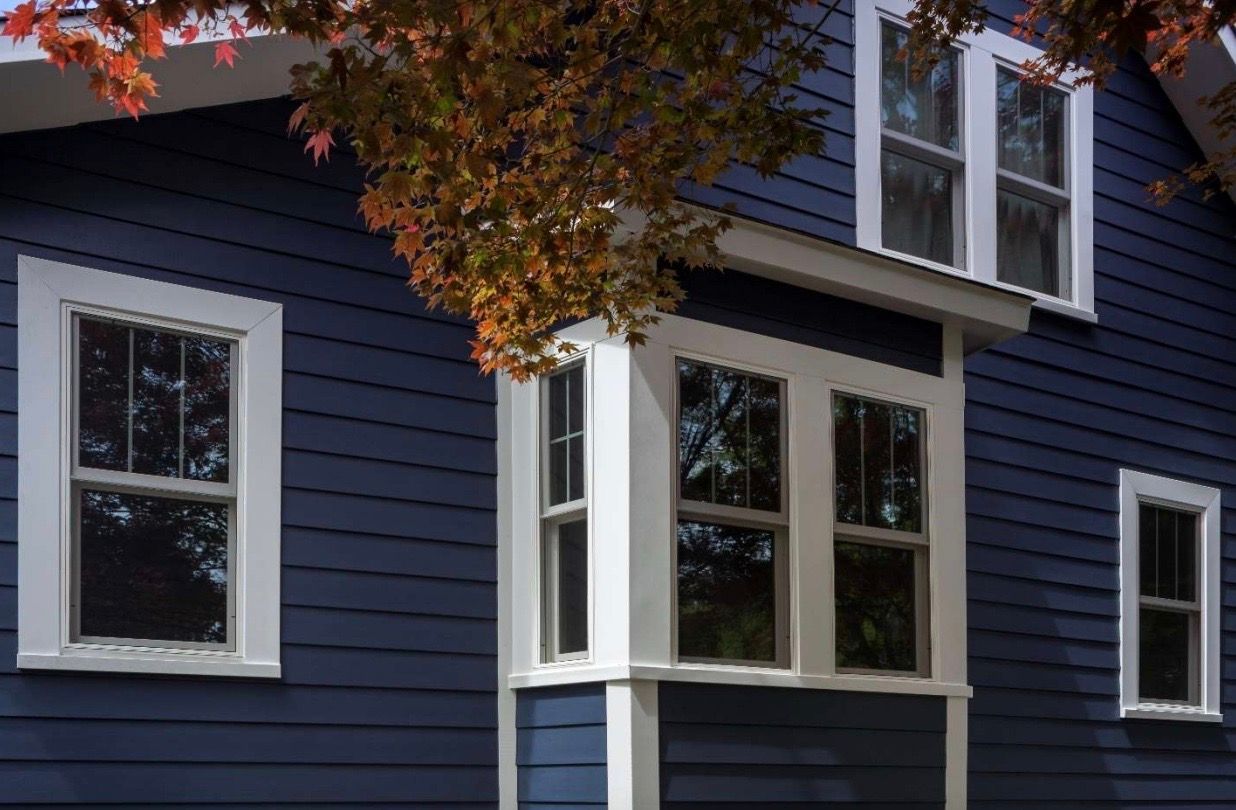
If you're considering a siding upgrade, you might wonder if it's possible to install new siding over existing siding. This can be a tempting option to save time and reduce labor costs, but there are important factors to consider before proceeding. Overlaying new siding over old siding is a common practice in many renovation projects, but it's important to know when it's appropriate. Assessing the Condition of the Existing Siding Before installing new siding over old siding, it's cruc ial to inspect the condition of the existing material. If the old siding is damaged or rotting or has moisture issues, these problems will likely a ff ect the new siding. Addressing any underlying issues with the existing siding is essential to ensuring a successful installation. What Material Siding Do You Currently Have On The Home One of the key limitations is that this method cannot be used over stucco. Stucco is a hard, textured surface that does not provide a flat or stable base for the new siding. The uneven surface can cause issues with the installation, leading to gaps, misalignment, and an overall poor finish. Therefore, if a home has stucco siding, it will need to be completely removed before installing new siding. New Moisture Barriers When overlaying new siding over old siding, proper waterproofing is essential to protect the home from moisture damage. The existing siding may have deteriorated over time, potentially compromising its ability to keep water out. To address this, a waterproof barrier, such as house wrap, should be installed between the old and new siding layers. This additional layer of protection helps prevent water infiltration, reducing the risk of mold, mildew, and structural damage. Ensuring e ff ective waterproofing is a critical step in the overlay process to maintain the home's integrity. Local Building Codes and Regulations However, overlaying siding is not suitable for all projects. Factors such as the condition of the existing siding, local building codes, and the overall design of the home must be considered. If the old siding is in poor condition, with extensive rot, warping, or damage, it may not provide a stable base for new siding, and removal might be necessary. Additionally, some architectural styles or homeowner associations may have specific guidelines that prohibit overlaying siding. Therefore, it's crucial to assess each project individually to determine whether overlaying siding is the best approach Consult a Professional While installing new siding over old can be a viable option in some cases, it's often best to consult a professional. They can evaluate the condition of your existing siding, recommend the best course of action, and ensure that the installation is done correctly. Get Started Today Contact Peninsula Siding Company, Inc. at (650) 287-4208 or fill out our online form for expert advice on whether installing new siding over the old one is the right choice for you. Let us help you achieve a beautiful, durable finish with a professional approach tailored to your home's needs.
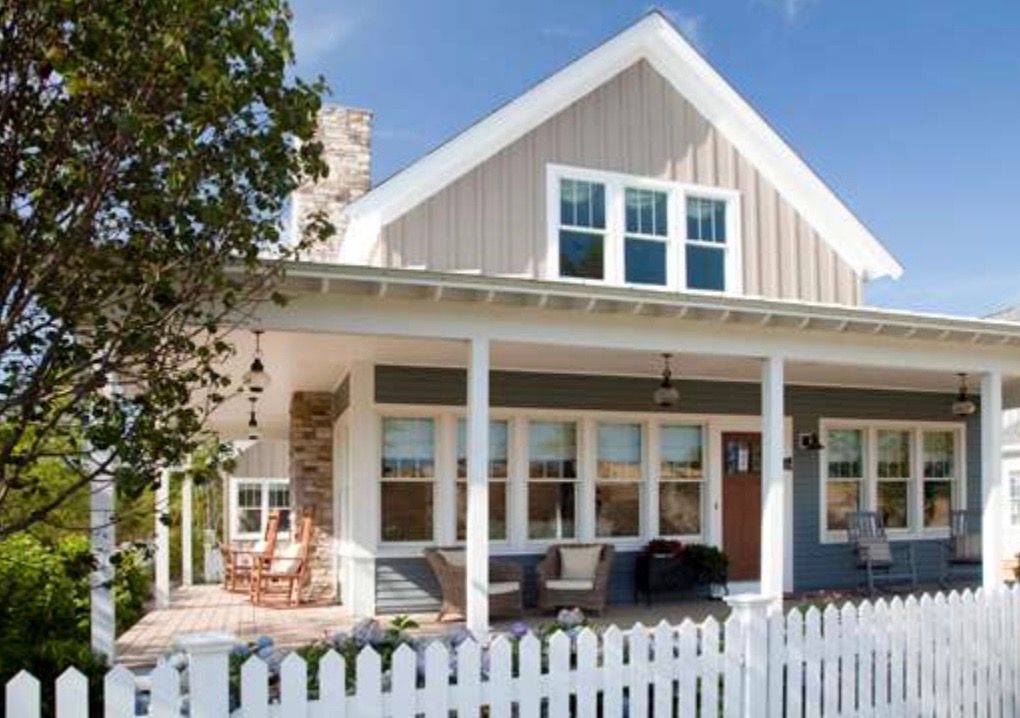
Understanding the basics of siding can help you make informed decisions and ensure a successful project. Here's a comprehensive guide to get you started. What Is Siding Replacement? Siding replacement involves the removal of your home's old, worn-out siding and the installation of new, modern materials. This process not only revitalizes your home's exterior, enhancing its curb appeal, but also improves its overall performance. By upgrading your siding, you can significantly boost your home's energy eƯiciency, leading to lower utility bills, and ensure better protection against harsh weather conditions. Moreover, siding replacement is a strategic investment that can substantially increase your property's value, making it more attractive to potential buyers if you decide to sell. Why Should I Replace My Siding? There are numerous compelling reasons to replace your siding. Over time, old or damaged siding can become a serious liability, leading to problems such as rot, mold, and poor insulation, all of which can compromise your home's structural integrity and indoor comfort. By replacing it with new, high-quality siding, you not only enhance your home's aesthetic appeal but also improve its energy efficiency, reducing heating and cooling costs Additionally, modern siding materials require less maintenance, freeing you from the constant upkeep that older siding may demand. Most importantly, new siding provides superior protection against the elements, safeguarding your home from wind, rain, and pests, and ultimately preserving its value and longevity. How Do I Choose the Right Siding Material? Choosing the right siding material depends on several factors, including your budget, aesthetic preferences, and the climate in your area. Each material offers distinct benefits: Vinyl Siding: Known for its affordability, and low maintenance, vinyl siding is a popular choice for homeowners looking for a cost-effective solution that still delivers a fresh, attractive look. Unfortunately, vinyl siding comes with frequent issues such as warping and melting. Wood Siding: If you prefer a classic, timeless appearance, wood siding oƯers natural beauty and charm. However, it requires regular maintenance, such as painting or staining, to protect it from weathering and pests. Fiber Cement Siding: Combining exceptional durability with low maintenance, fiber cement siding is resistant to fire, termites, and rot, making it an excellent choice for longterm protection. While more expensive upfront, its longevity and minimal upkeep make it a worthwhile investment, particularly for those looking to enhance resale value and home protection. Metal Siding: offering a modern and sleek appearance, metal siding is incredibly durable and can withstand extreme weather conditions. It's also resistant to fire and pests, making it a great option for homeowners in areas prone to these hazards. Can New Siding Be Installed Over Old Siding? In some cases, new siding can be installed overlayed on old siding, depending on the condition of the existing material. The old siding must be in good shape—flat, even, and free of rot or severe damage—to serve as a stable base for the new layer. However, it's crucial to consult a professional to determine if this approach is suitable for your home, as poor underlying conditions can lead to issues with the new siding's performance and longevity. Please see our blog post from last week about overlay projects. What Should I Expect During the Replacement Process? The siding replacement process involves several key steps. First, the old siding is removed, revealing the home's exterior sheathing. The surface is then prepared, which may include repairing any damaged areas such as dry rot issue, adding insulation, and installing a moisture barrier to protect against water infiltration. Finally, the new siding is carefully installed, ensuring a secure and visually appealing finish. Depending on the size and complexity of your home, this project typically takes from one week to a couple of weeks. While it's an investment in time and money, the results—a more beautiful, energy-efficient, and well-protected home—are well worth the effort How Do I Maintain My New Siding? Maintenance requirements vary depending on the siding material you choose. Vinyl siding is low maintenance, typically needing only occasional cleaning to remove dirt and debris. Wood siding, on the other hand, requires more frequent attention, including regular painting or staining to protect it from the elements. Fiber cement siding, while more durable, benefits from periodic inspections to maintain its appearance and performance. But also has low maintenance with just the occasional cleaning. Following the manufacturer's guidelines for care and maintenance will help keep your siding in top condition, ensuring it continues to protect and beautify your home for years to come. Get Started Today If you're considering replacing your siding, don't delay. Investing in new siding is a smart way to protect your home, enhance its appearance, and increase its value. Consult with a professional to explore your options and start the process of transforming your home's exterior today. Contact Peninsula Siding Company, Inc. at (650) 287-4208 or fill out our online form for a personalized estimate. We'll guide you through the siding replacement process and help you achieve a stunning, durable finish.
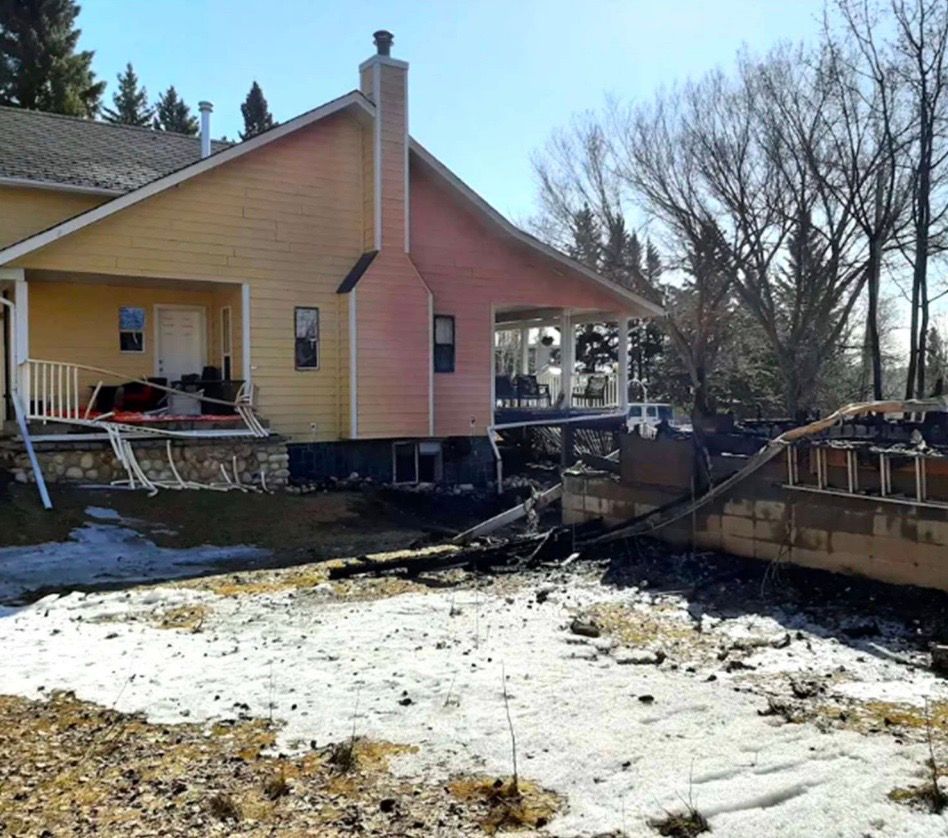
James Hardie® fiber cement siding has proven its fire resistance in real-world scenarios. Darren and Simone, homeowners in a wildfire-prone area, credit their Hardie® siding with saving their lives. After waking to a fire engulfing a neighboring studio, they escaped just as flames reached their home. Thanks to the noncombustible siding, their house remained largely intact, acting as a shield against the flames. "The only reason we are alive and our home wasn't engulfed is thanks to your product," said Simone in a letter to James Hardie.